
Why culture feels different across a decentralized workforce
“Culture doesn’t travel evenly.”
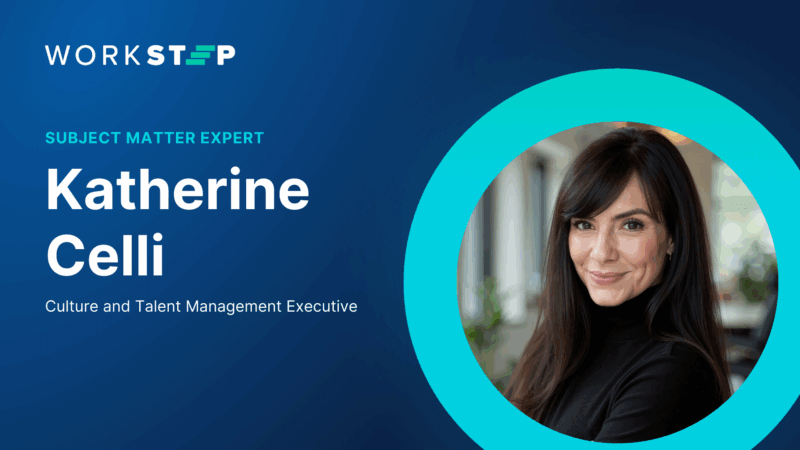
That’s how Katherine Celli, a seasoned leader in people strategy and enterprise transformation, describes one of the biggest challenges facing large, distributed organizations. With frontline teams spread across locations, shifts, and leadership styles, each employee experiences their workplace differently. That reality creates significant complexity for HR and Operations leaders aiming to drive consistent culture and engagement.
Katherine Celli shares key takeaways on what it takes to build a strong, resilient culture across a decentralized workforce, starting with what leaders need to understand about the people closest to the work.
From systems thinking to people-first leadership
Katherine’s career began in consulting and operations, where she focused on process optimization and strategic change. But the turning point came when she realized: “Even the best-designed processes fail if people don’t feel valued, equipped, or connected to the mission.”
Her background in computer science and sociology helped her bridge two essential worlds: technical systems thinking and human-centered leadership. This dual perspective shaped her people-first approach to operational excellence and workforce management.
Why frontline culture requires a different strategy
Most organizations try to scale culture from the top down. But that doesn’t work in a decentralized workforce.
“You can’t rely on a single town hall or email to drive culture. You have to meet employees where they are,” Katherine explains. Frontline employees, especially those who are deskless, often experience culture through their local leader, not headquarters. That means organizations must design culture transformation strategies around the realities of the frontline.
Key tactics Katherine recommends:
- Embed employee voice into every stage of change: strategy, implementation, and feedback
- Localize communication based on role, shift, and technology access
- Account for variability in manager style and experience across sites
- Lead with empathy and action instead of top-down mandates
The critical role of frontline supervisors in culture change
The single biggest influence on frontline employee experience? Their supervisor.
“Frontline supervisors are the culture carriers. They translate organizational priorities into day-to-day behavior,” Katherine says.
To empower them effectively, she outlines three essentials:
1. Clarity
Supervisors need to know what’s expected of them—what leading culture looks like, how to model values, and how to manage performance aligned with those expectations.
2. Capability
Organizations must invest in developing both technical and soft skills like communication, coaching, and interpersonal leadership, especially for supervisors who were promoted from frontline roles.
3. Support
Give them tools: checklists, playbooks, feedback loops, peer mentors, and culture ambassadors who help uphold values across shifts.
These micro-leaders carry the load. Without them, culture efforts stall.
How to lead through change and uncertainty
When businesses face economic shifts, labor disruptions, or major operational transitions, maintaining engagement becomes harder, but more critical.
“You can’t separate the business from how people feel. Because your people are the business,” Katherine says.
To maintain trust and productivity during uncertainty, she recommends leaders focus on:
- Transparent communication (even when answers are incomplete)
- Consistency in presence and behavior
- Creating space for employees to ask questions
- Proactive listening, especially for nonverbal cues
Where should culture transformation start?
When asked what advice she’d give a leader beginning a culture shift, Katherine offers this:
“Don’t underestimate the small stuff. Culture is built in everyday moments. Not grand gestures.”
That means:
- How you communicate
- How you show up
- How you respond to feedback
- How you reinforce what matters
Every frontline employee watches for signals. When leaders model the behaviors they want to see, consistently, change starts to spread.
Final takeaway
Culture is not a corporate memo. It’s a series of shared behaviors, interactions, and decisions—shaped most powerfully at the frontline. For organizations managing decentralized or distributed workforces, this means doubling down on frontline listening, supervisor enablement, and real-time feedback.
Katherine’s insights offer a roadmap not just for improving culture, but for improving business performance by empowering the people who drive it every day

Kayla Pimentel, | kayla@workstep.com
Kayla Pimentel serves as a Demand Generation Associate at WorkStep. Leveraging her diverse background in sales and marketing, she is enthusiastic about sharing insights about how to make the frontline a better place to work.